3 posts tagged with "api"

View All Tags

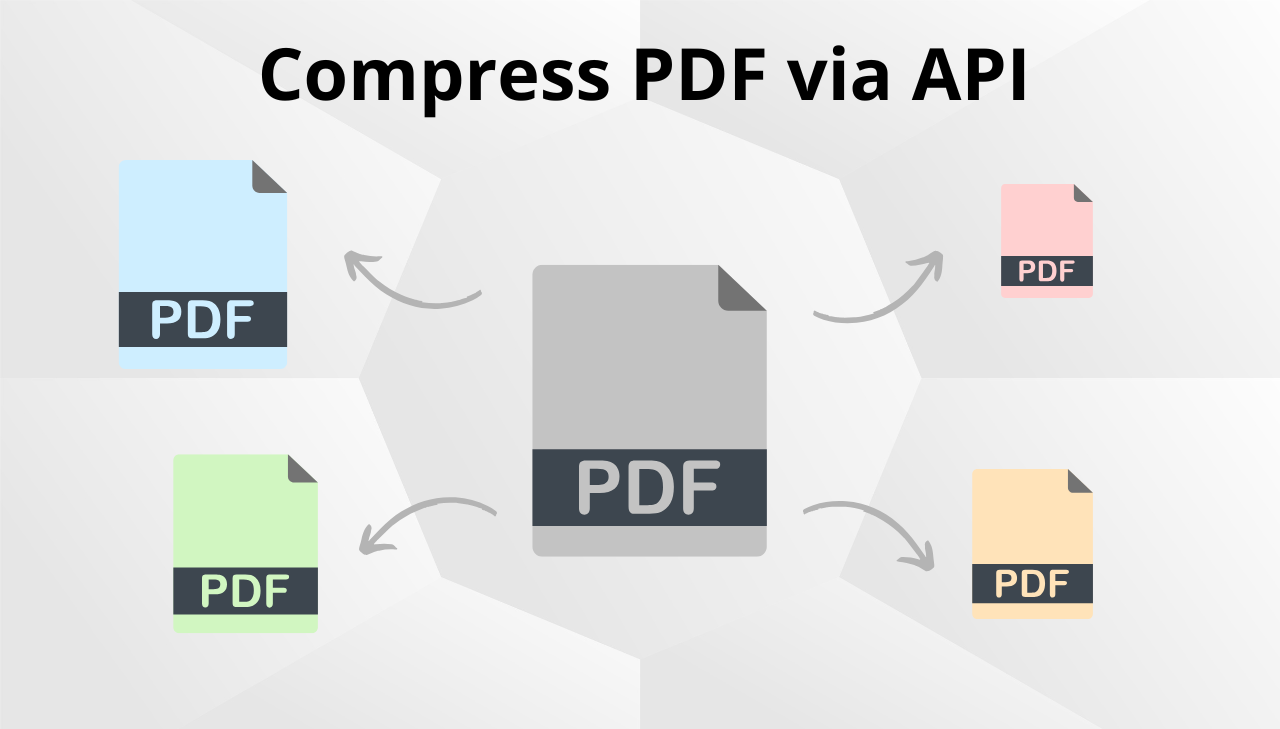
Compress PDF via API: Reduce File Size Programmatically

· 7 min read

Milena Szymanowska
Milena Szymanowska
PDFBolt Co-Founder

Compress PDF via API with multiple compression levels

PDFs generated from HTML or web pages with images can get large. A product catalog with high‑resolution photos might produce a 15 MB file. An annual report with charts and screenshots could hit 8 MB. These sizes cause real problems: slow downloads, email attachment limits, expensive storage, and poor user experience. Manual compression through Acrobat or online tools doesn't work when you're generating hundreds of PDFs programmatically. You need compression that runs as part of your generation pipeline – and with a PDF compression API, you can apply it in the same request that creates the PDF.

How to Convert HTML to PDF Using an API: Quick Start Guide

· 10 min read
Milena Szymanowska
Milena Szymanowska
PDFBolt Co-Founder

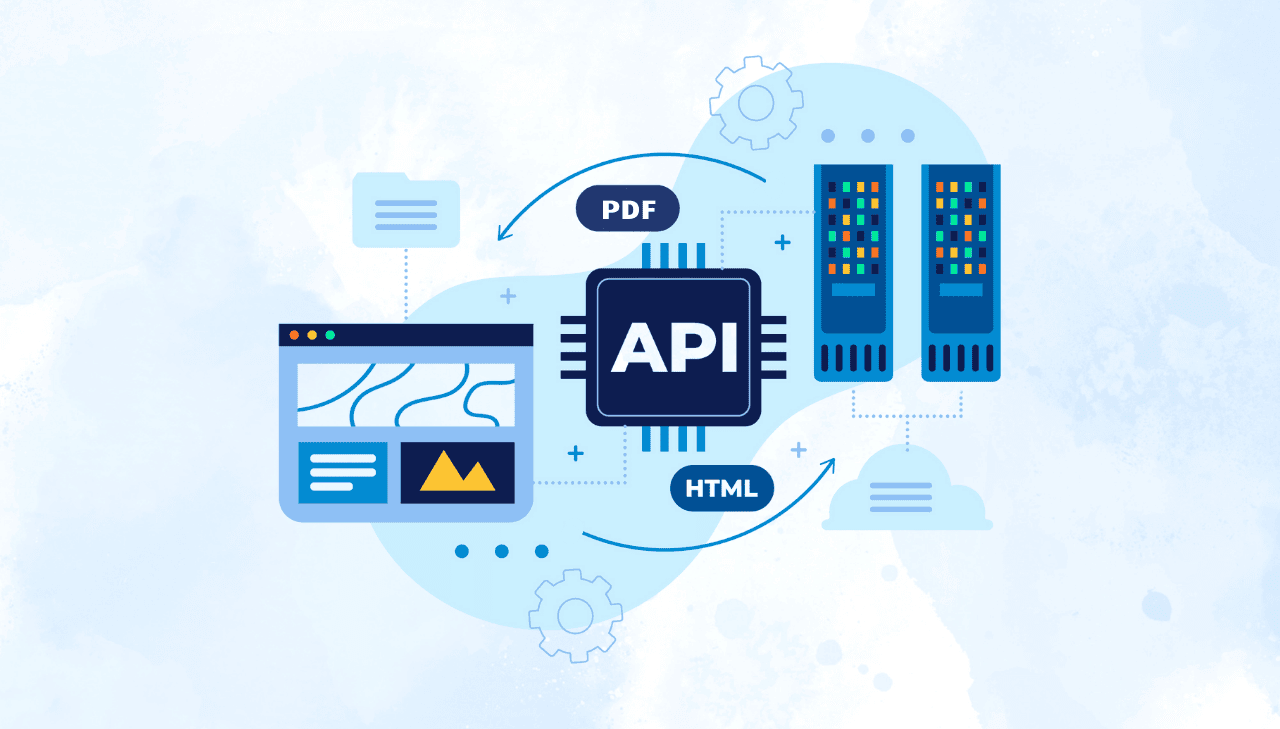
HTML to PDF API Conversion Process showing API-based PDF generation

If you need to generate PDFs from HTML in a production app, you have two options: run a local rendering tool yourself (Puppeteer, Playwright, wkhtmltopdf) or call an HTML to PDF API that does the rendering for you. This tutorial covers the API approach with a complete Node.js example that generates invoice PDFs using EJS templates and the PDFBolt API. You will also find a comparison with headless browser solutions to help you pick the right tool for your project.

API Integration Explained: Types, Methods, and Practical Examples

· 6 min read
Michał Szymanowski
Michał Szymanowski
PDFBolt Co-Founder

API Integration Overview

Most web applications talk to each other through APIs. If you've ever pulled data from a third-party service, processed a payment, or generated a PDF from HTML, you've used one. But the terminology around APIs can get confusing fast: REST vs. SOAP vs. GraphQL, synchronous vs. asynchronous, public vs. internal. This guide breaks it down with clear definitions, architecture comparisons, and a working Node.js code example at the end.